Technical Difficulties, Artistic Doubt — What a Quinceañera Taught Me

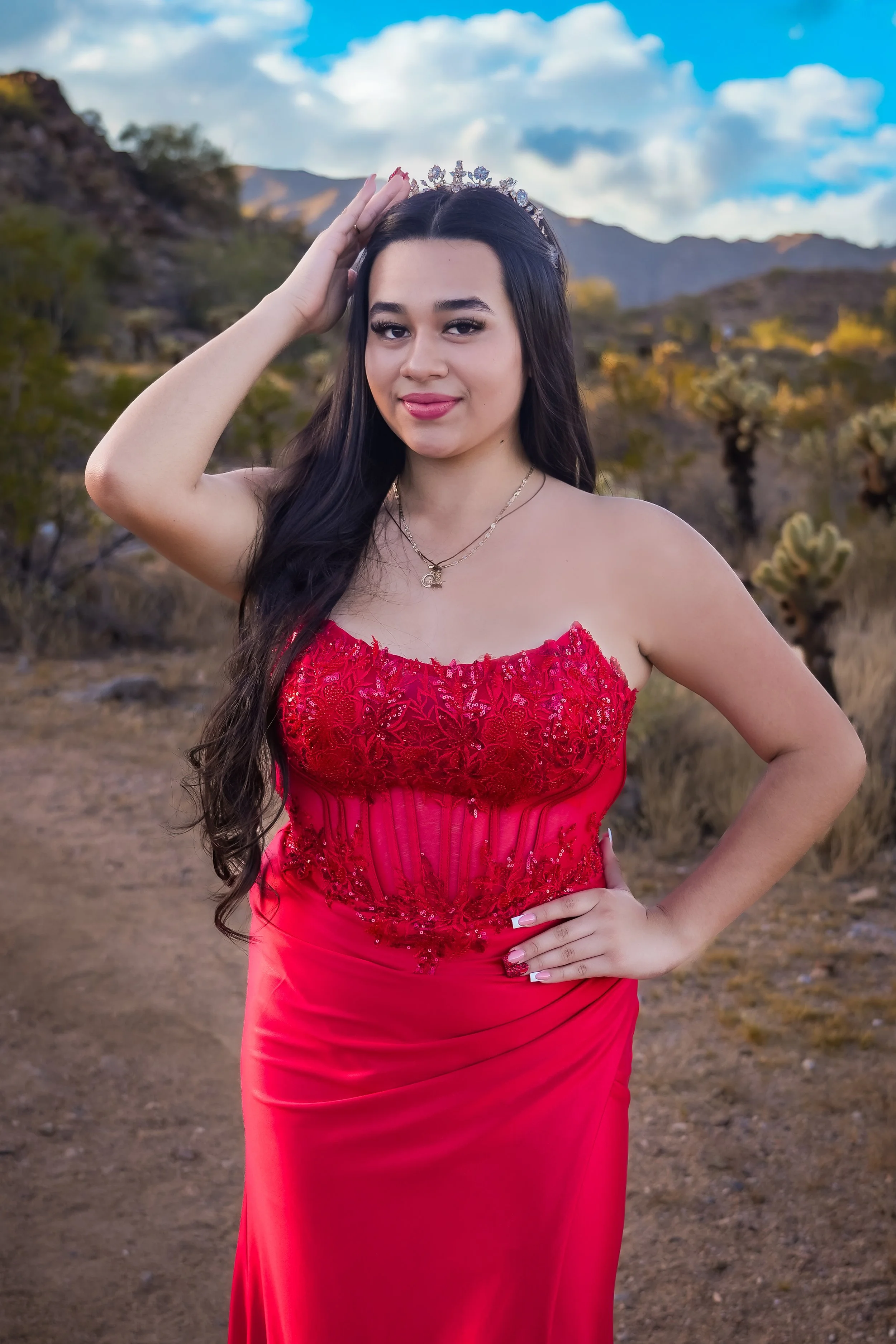
This past weekend I had the chance to shoot a quinceañera portrait session I’d been looking forward to for weeks. I’d been practicing my off-camera lighting and imagining that long-awaited evening shoot: sunset in the background, lights sculpting the subject, the magic that happens when both elements come together.
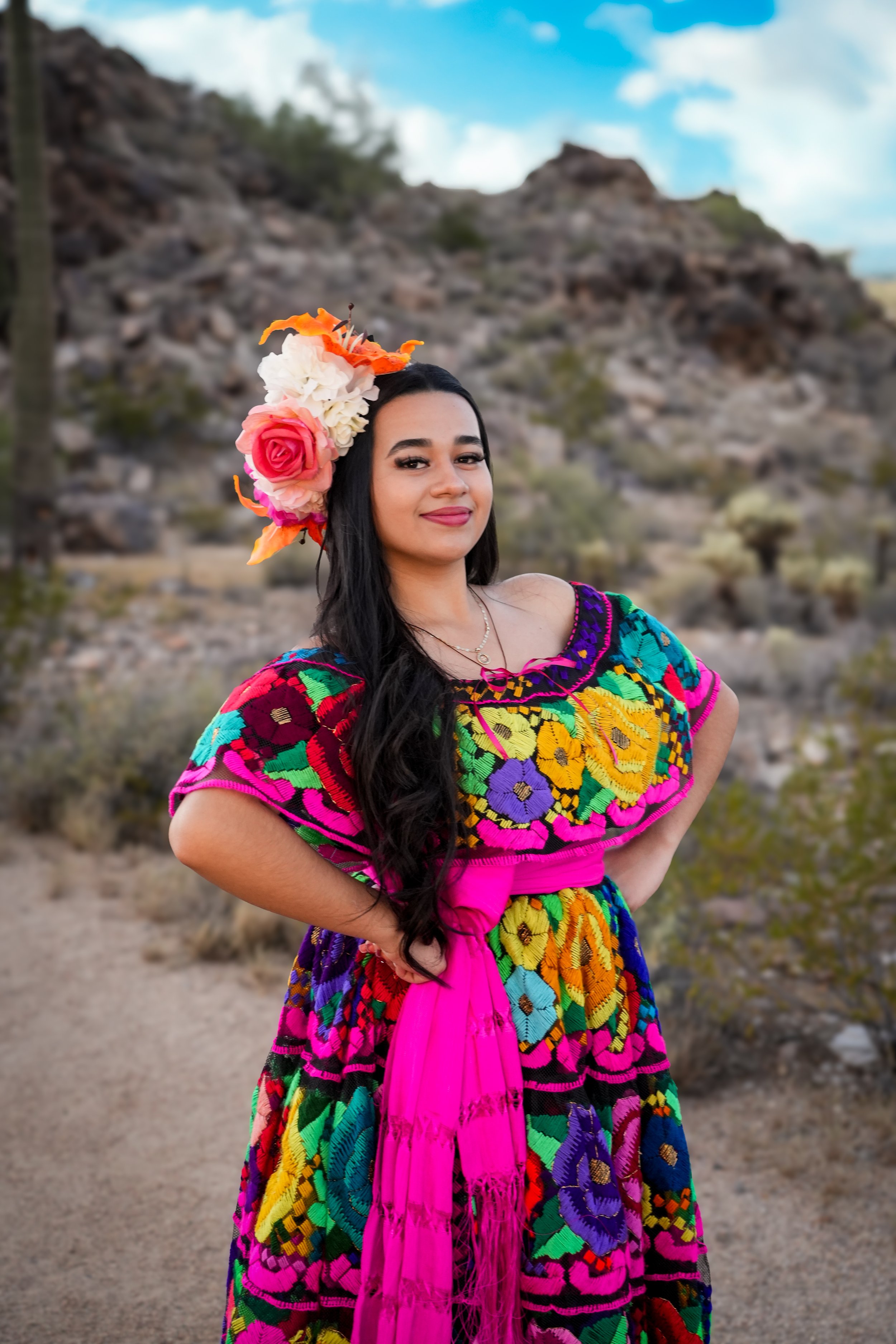
We arrive at the location and—of course—my main light decides not to cooperate. I tried everything I could think of on site. Daylight was slipping away, the client had three outfit changes, and there were a couple of concept shots we’d planned. I never got the light to behave. Later, back home, a firmware update fixed it. In the moment, though, I had to improvise.

That’s one of the realities of photography: you don’t always control your gear, the weather, or timing. You do control how you respond. Clients need confidence from you; they don’t need to see you scramble. I focused on leading calmly, making clear choices, and finding workarounds with the available light. Looking back, I wish I’d pushed for a wider variety of poses, but I also kept things moving and kept the subject comfortable through several outfit changes.

The editing session after the shoot hit me harder than the technical failure. Images didn’t match the vision I’d been carrying—no dramatic backlit portraits with perfectly placed catchlights. That voice we all know so well—the harsh inner critic—came in loud and fast: “You’re not good enough. These are terrible.” It’s a voice that seeks impossible perfection and measures every result against an ideal that’s rarely realistic.
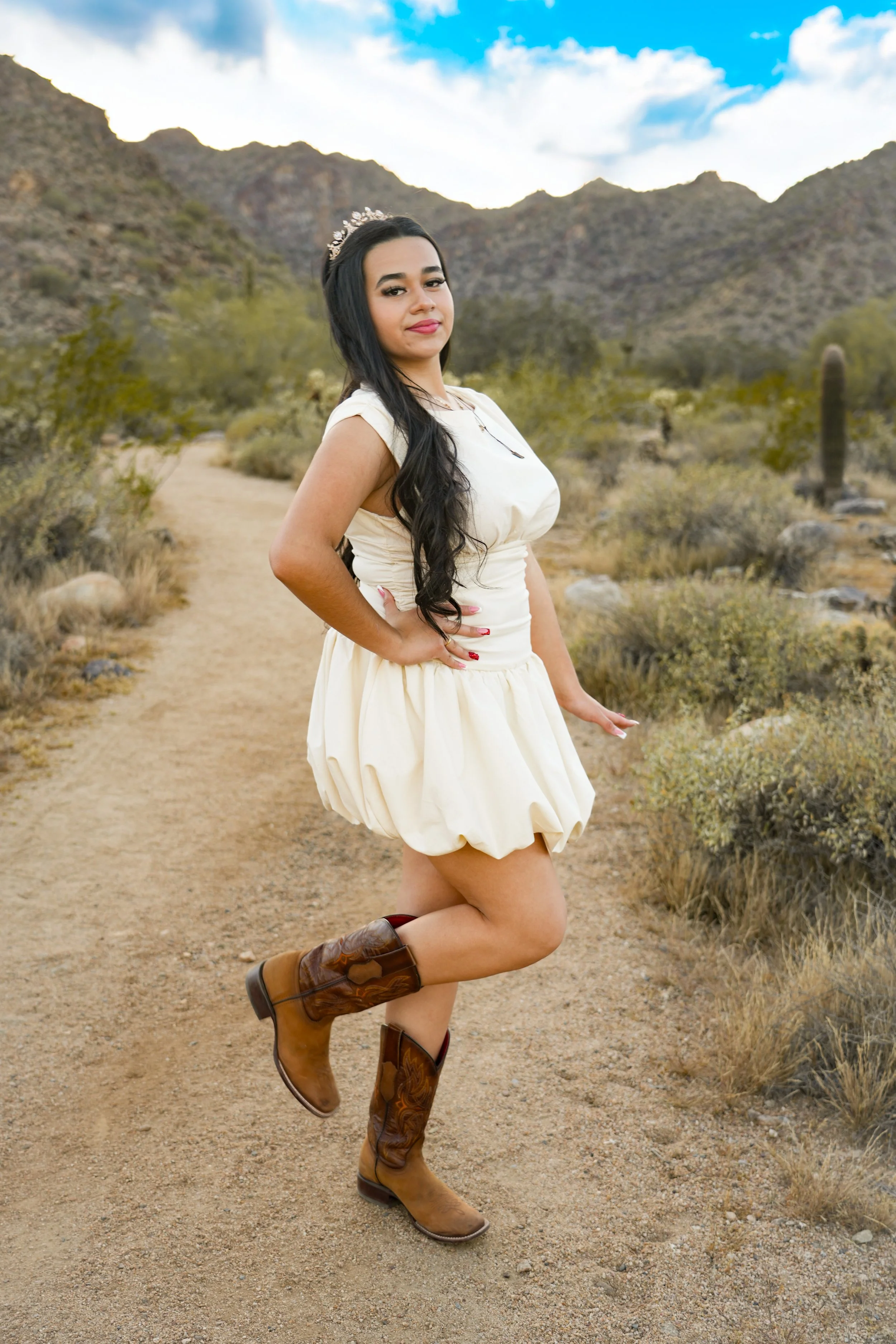
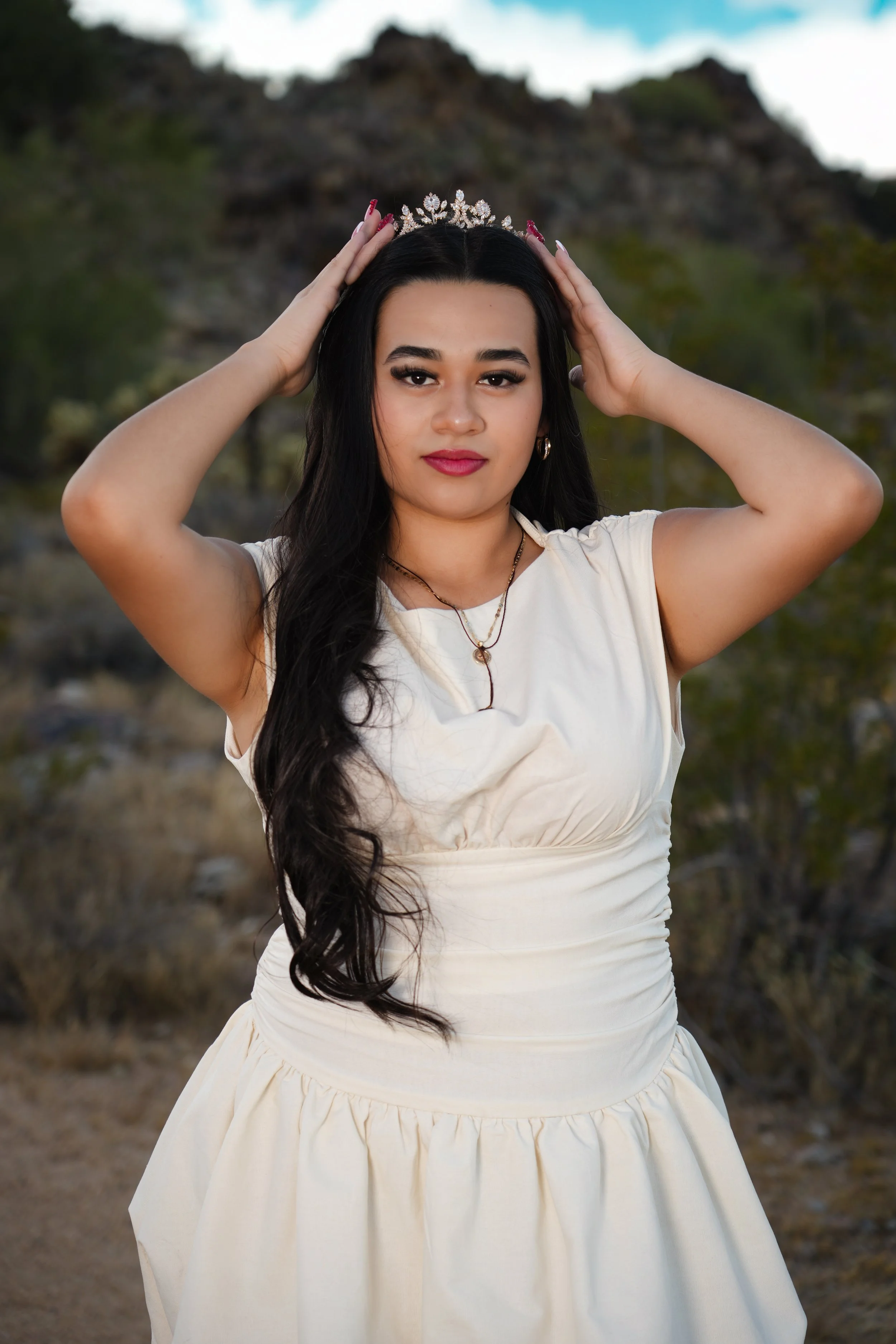
Then the client texted: “I love all of the photos.” That message shifted everything. The photos weren’t exactly what I’d imagined, but they delivered value: multiple outfits captured, important concepts covered, and a happy client. That mattered more than my internal standard.
What I took away:
Technical problems will happen. Run basic checks, but cultivate improvisation skills—composition, natural light, and posing can save a session.
Lead with calm. Your confidence helps the client feel safe and enjoy the shoot.
Perfection is a mirage. Use the gap between vision and result as fuel for learning, not as ammunition for self-doubt.
Client satisfaction is a crucial metric. If they feel seen and happy, you did far more than you might think.
And like the Buddhist expression—“Chop wood, carry water”—I will have a chance to try again; everything is just an opportunity for growth.
I want to get better at both the technical side—regular firmware checks included—and the artistic side: experimenting with poses, refining concepts under pressure, and building the confidence to accept imperfect but meaningful results. Practice and experience are the cure for both technical hiccups and that relentless inner critic.
If anything, this session reminded me that resilience, not perfection, is the photographer’s real superpower.