I Take Back All the Mean Things I’ve Said About Grain in Images
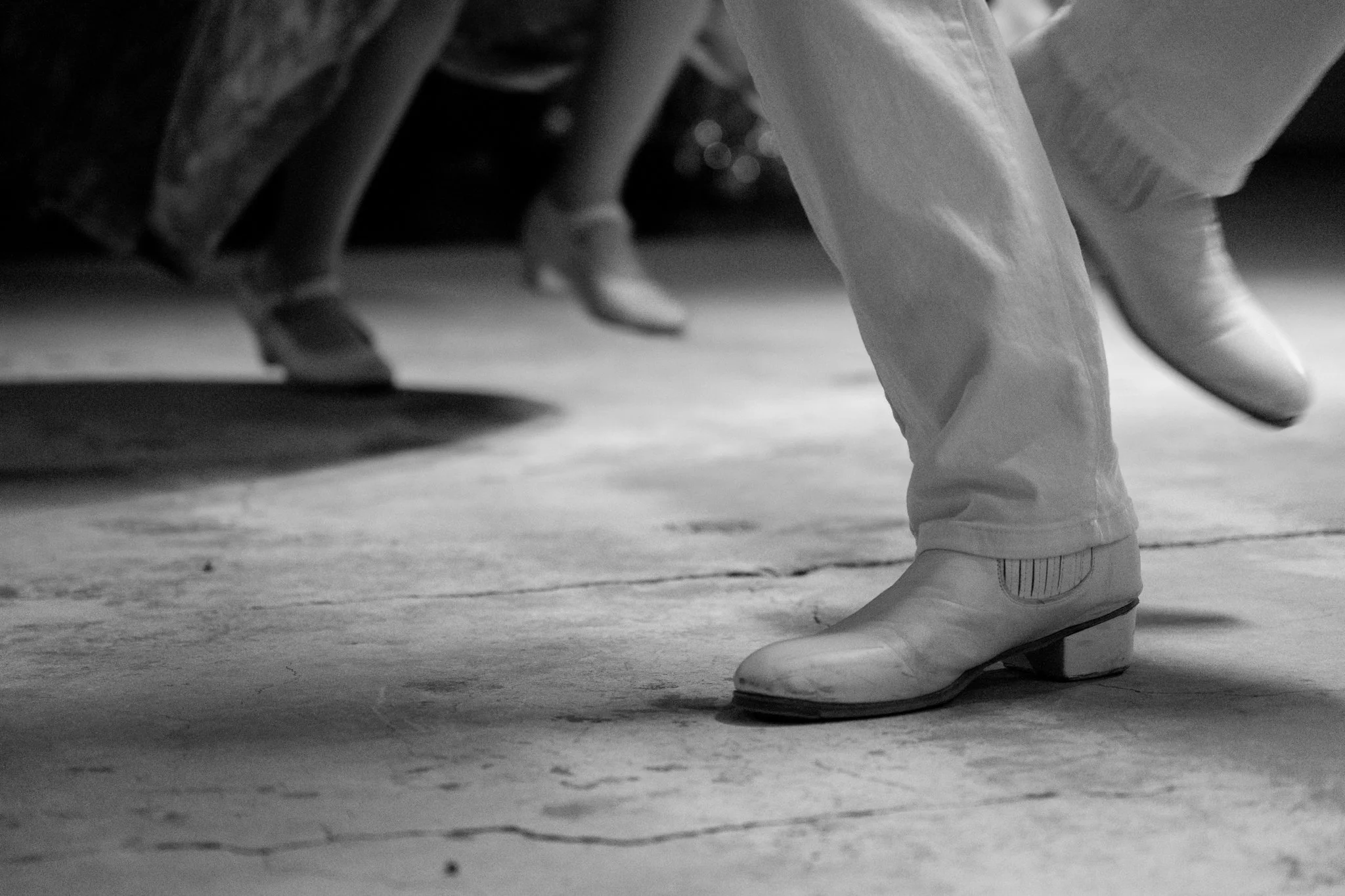
Sony AX 7 105mm, 1/160 sec F 4.0, ISO 5000 - just enough motion blur to feel the energy behind the captured moment.
For years I chased the cleanest, smoothest files I could get—this weekend a Quinceañera taught me to love grain.
This past weekend I had the absolute honor of photographing a Quinceañera. I’d shot portraits the weekend before and edited a loop of images to play at the party.

More traditional portraits with low ISO and my Westcott FJ 400 off camera flash.
At the event I handled the group photos, but the real joy came from the candid moments—the dancing, the band, the laughter, the tiny, messy moments that make a night feel alive. The backyard was dark, so I pushed my ISO harder than I normally would. The result: grain. And damned if I didn’t end up loving it.

Youth Dancing -Exposed for the highlights and let the rest of the image go dark.
My old rule: avoid grain at all costs For a long time my aesthetic credo was simple: use the lowest ISO possible. Clean files, minimal noise, maximum detail. I judged grain as a technical “defect,” something to fix in post or to avoid entirely by using faster lenses, flash, or brighter locations.
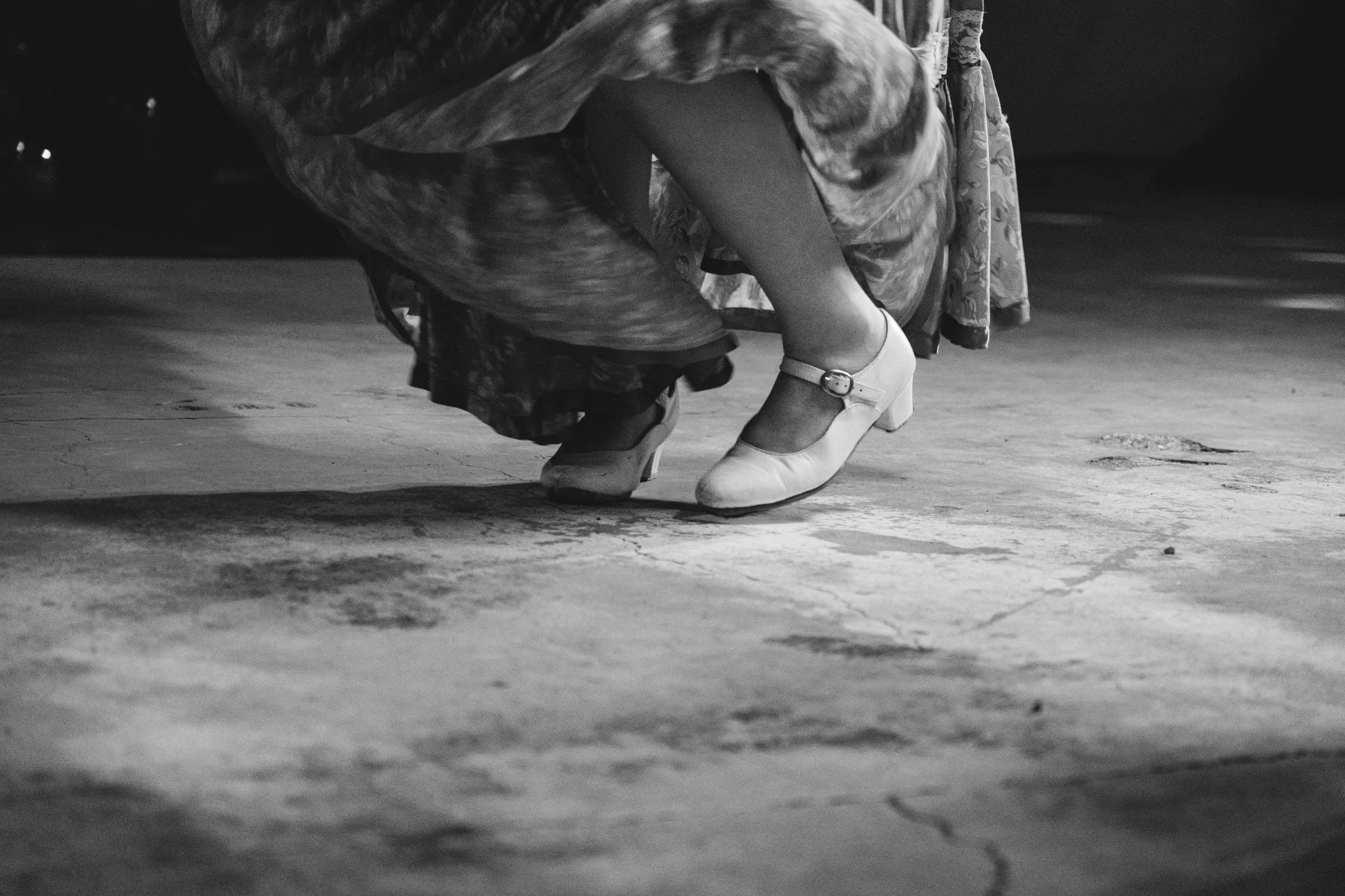
So much energy in this photo with the grain and slight motion blur! Shadows from the shaft of light provide a natural vignette.
Why this shoot changed my mind In the dim backyard light, raising ISO was the only way to stay present and responsive. I could feel the rhythm of the music, dart around the dance floor, and keep shutter speeds high enough to freeze motion.
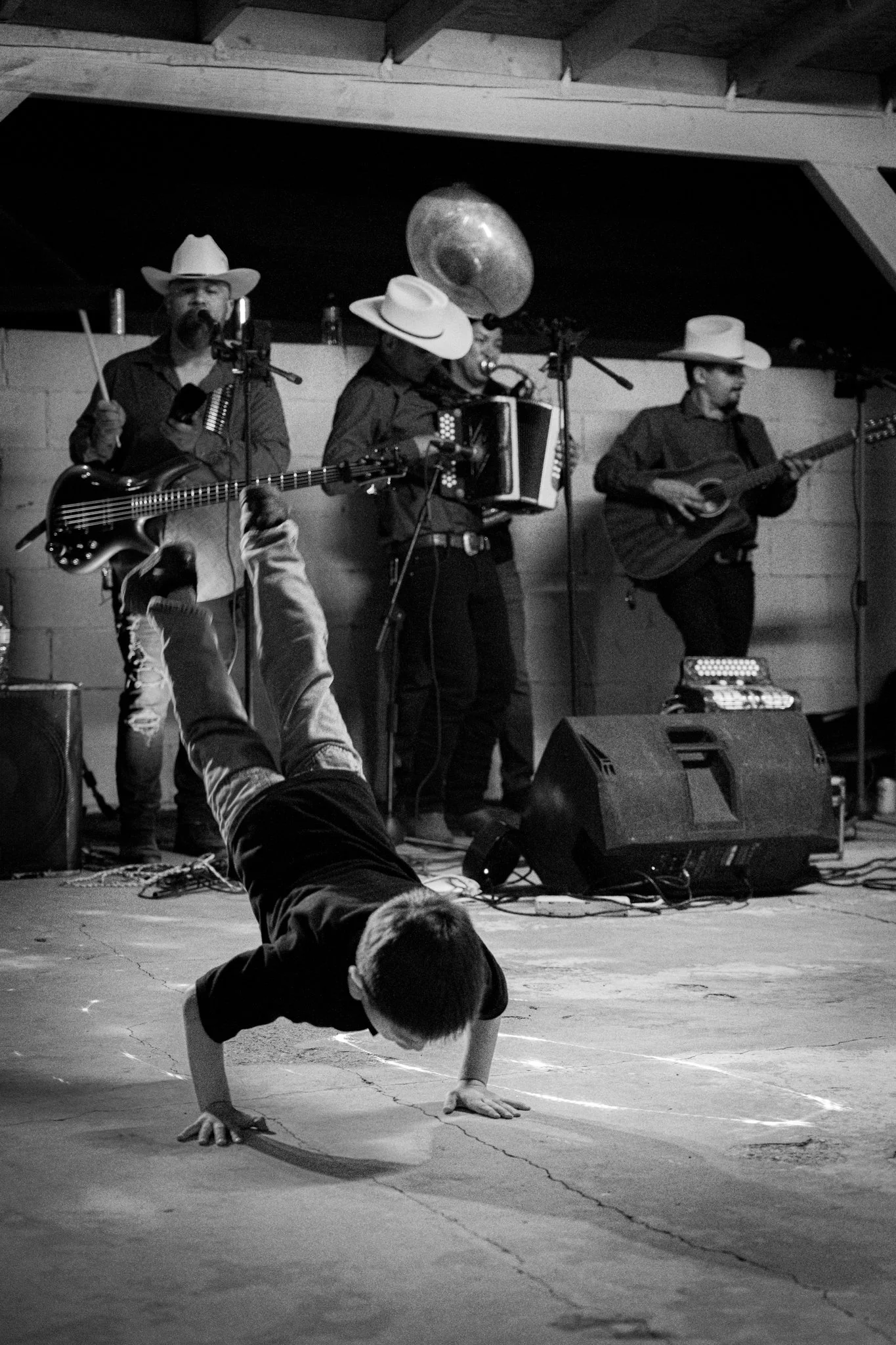
This photo I anticipated happening. Saw the kid doing his hand stand into “The worm” and tried to position myself so I could get him doing this with the band in the background.
The grain that came with those higher ISOs didn’t bother me—it enhanced the story. It gave texture to faces, grit to the air, and a film-like quality that made the photos feel lived-in and immediate. Grain translated movement into atmosphere; it made the images feel tactile and true.

40mm, 1/160th sec, F 4.0, ISO 10000 - I did use denoise a little on this one!
Technical notes (for those who care)
Camera + lens choices: These were all shot on the Sony AX 7 (Sony having a great rep for shooting in lowlight situations!)
Settings I leaned on: moderate-to-high ISO to maintain 1/125–1/250s for dancing, widest practical aperture for separation, and metering that favored faces over background detail.
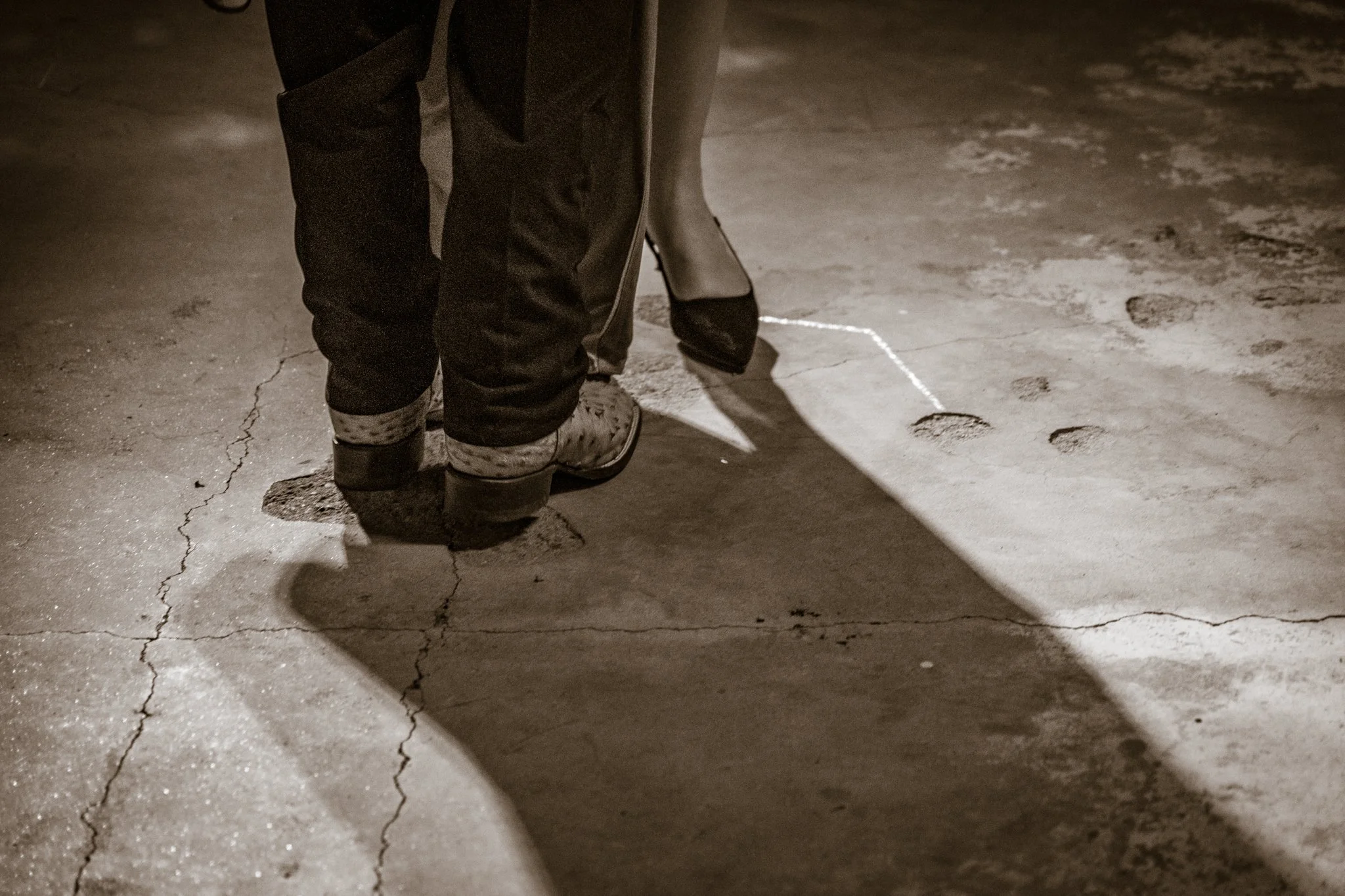
Dad and Daughter Dance
Grain as storytelling
What changed for me wasn’t just a technical acceptance; it was a storytelling revelation. Grain carried the mood of the night. It wasn’t merely noise—it was texture, memory, a visual shorthand for energy and intimacy. The candid shots felt less posed, more documentary, and the party’s warmth was amplified by imperfection. Grain reminded me that photography’s power lies in emotion, not in pixel perfection.
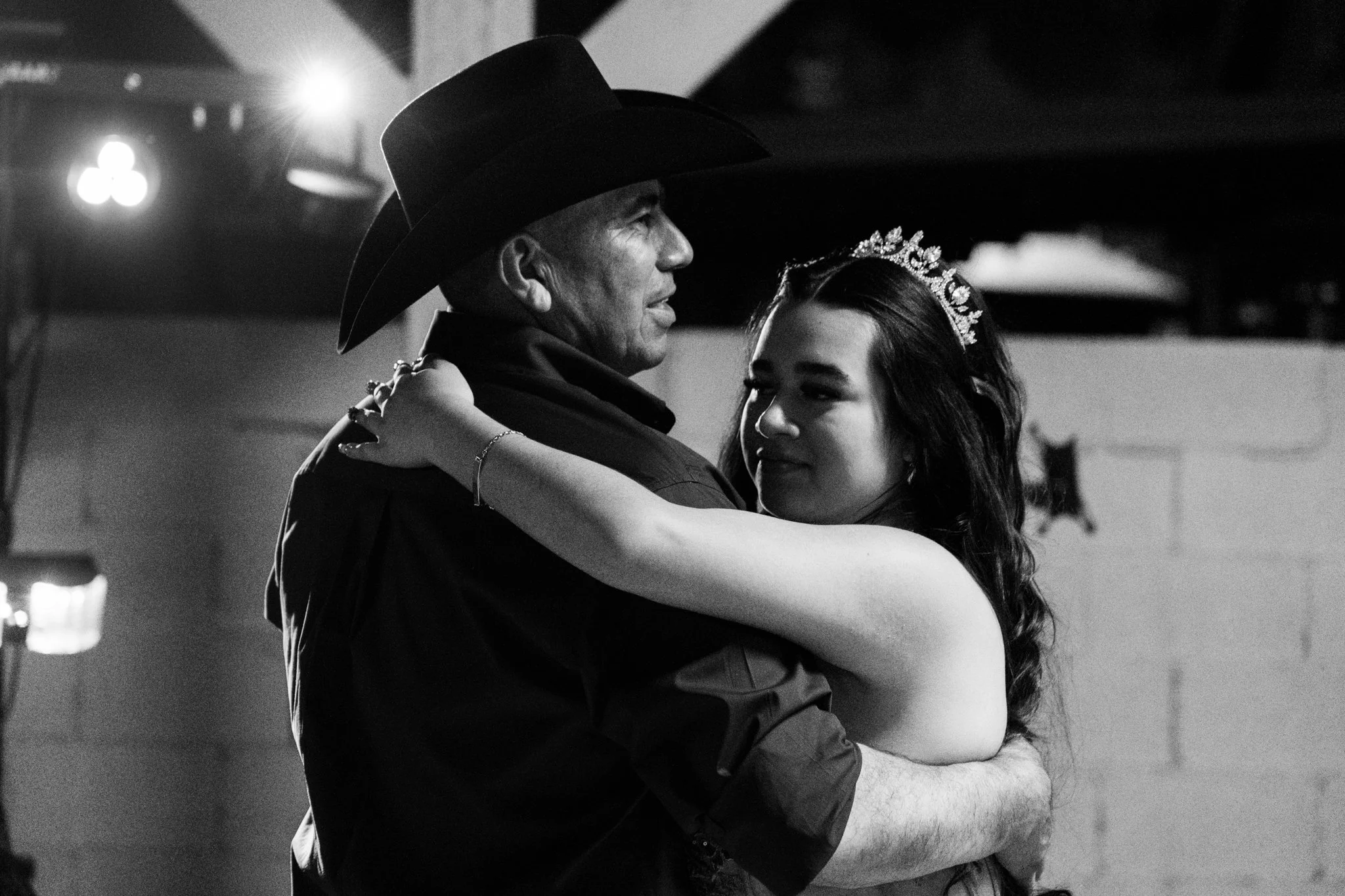
I like this one in black and white, and the backlight hitting dads shoulder and hat.
A new approach I’m not saying grain is always better. There will always be times to chase the cleanest file possible. But I am saying I’ll stop treating grain as an automatic failure. Going forward I’ll evaluate noise as part of the image’s emotional toolkit. If a little (or a lot) of grain helps the story land, I’ll embrace it.
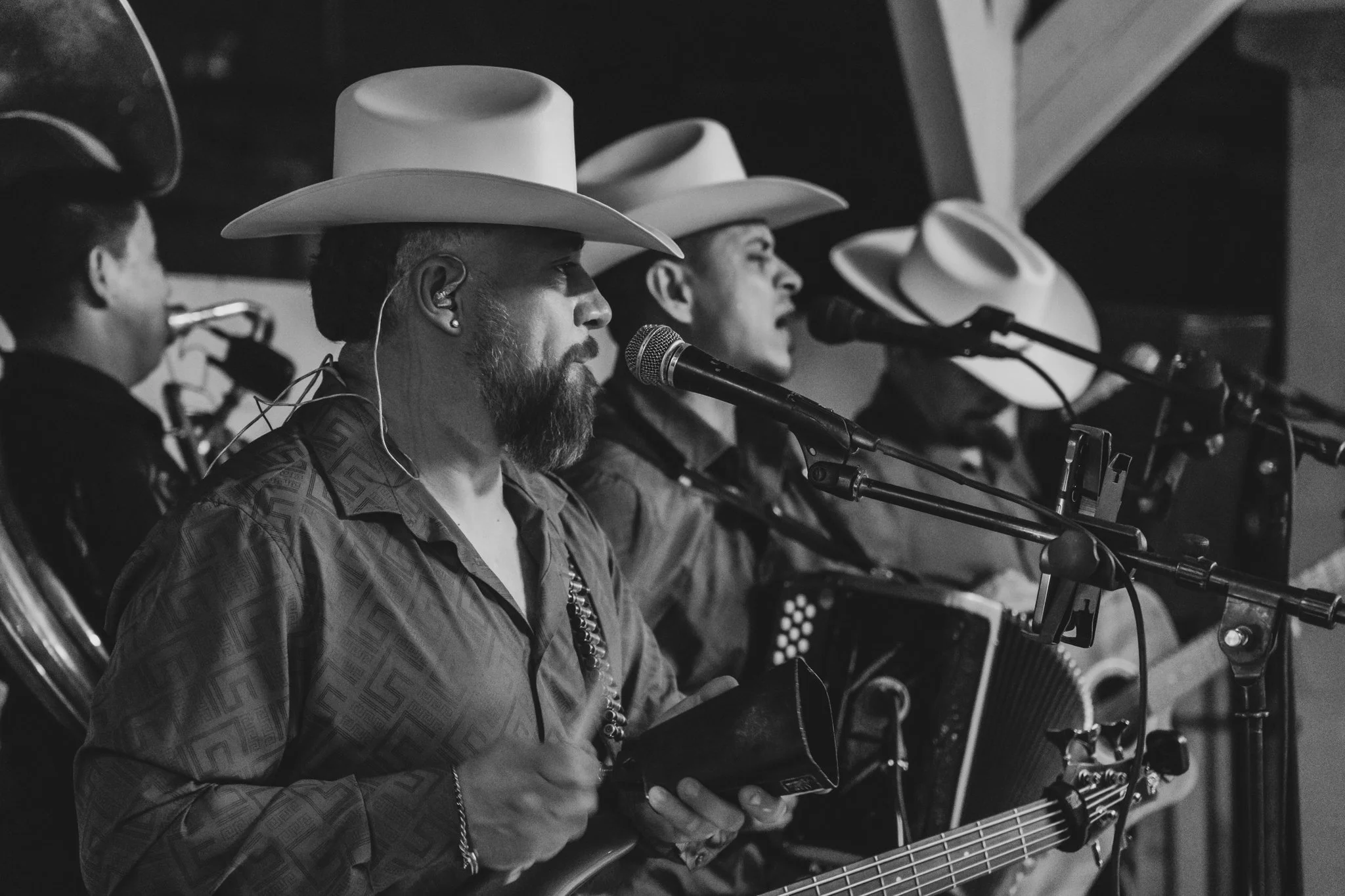
I take back the mean things I’ve said about grain. That weekend, grain did what crisp, clean files sometimes can’t: it made the photos feel true. If you’ve ever avoided high ISO out of habit, try it on purpose next time—get close, move fast, and see what the grain brings to the story.
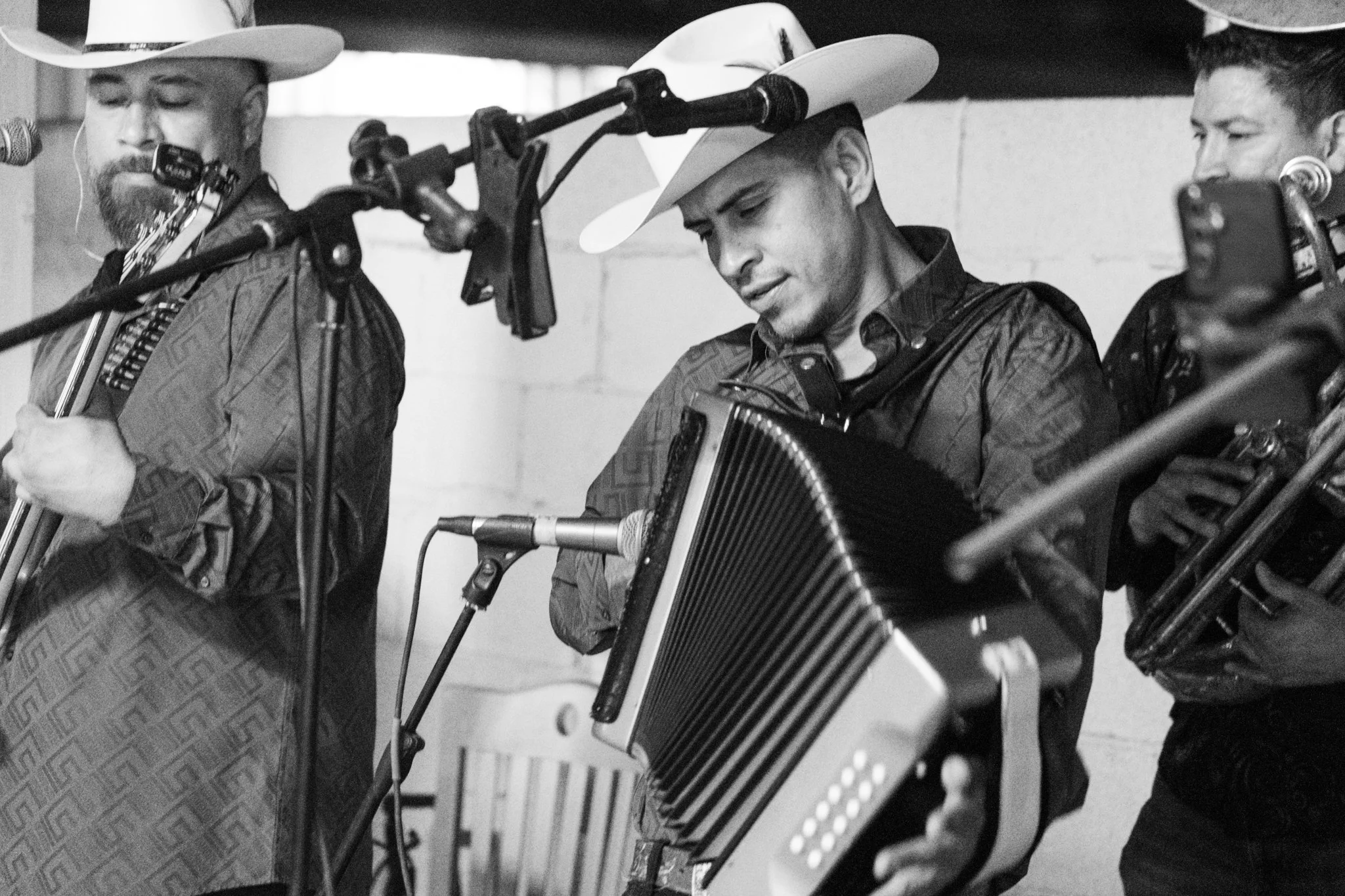
That rough, documentary feel reminded me of Robert Frank — the way he favored imperfect, immediate moments over polished composition. Frank taught photographers to value lived experience and texture, and, as he put it, “grain is not a defect — it is a language,” a way to speak the grit and truth of a scene rather than sanitize it.

I think there’s something to this being a Quinceanera, a tradition that is a celebrated, old right of passage, that also suits the grain.